Blockchain games might seem overwhelming at first glance, yet they remain a thrilling journey into one of the most innovative evolutions in the gaming world. From decentralization to digital ownership, this modern concept not only reshape the way we play but also redefine the relationship between players and game economies – but how to play blockchain games? How to get started?
This article explores how to play blockchain games, what makes them unique, and how this new frontier is creating a more immersive and rewarding experience for players.
Don’t miss: These are the 5 best games to test ray tracing on!
What makes blockchain games different
Let’s first understand what sets them apart. At their core, these games are built on blockchain technology, a decentralized ledger system that stores information across a network of computers. This technology ensures transparency, immutability, and, most importantly, player ownership.
In traditional games, items and achievements are often locked within a game ecosystem; players invest time and sometimes money, but they do not truly own the assets they collect. Blockchain games flip this dynamic.
By using tokens and NFTs (non-fungible tokens), they allow players to own, trade, and sometimes even create in-game assets. This ownership opens up entirely new ways to interact with the game and with other players, turning gameplay into a more meaningful and often financially valuable experience.
The essential tools for playing blockchain games
Getting started with blockchain games requires a few essential tools that form the backbone of the entire experience. From securing your digital identity to choosing the right game, this foundational setup ensures a smooth entry into the world of decentralized gaming – check it out:
Digital wallet
The first step for playing play blockchain games is acquiring a digital wallet. A digital wallet is necessary for storing cryptocurrencies and digital assets like NFTs – acting as a player’s identity within the blockchain game space.
MetaMask, Trust Wallet, and Coinbase Wallet are among the most popular options. These wallets connect directly to blockchain games, allowing users to sign in securely, manage their assets, and make in-game transactions. Once the wallet is created and secured with a strong password and backup seed phrase, the player can link it to a game and begin exploring.
Choosing the right blockchain game
With so many options available, choosing where to begin can be tricky. Some games are built on Ethereum, others on Binance Smart Chain, Solana, or even bespoke blockchains. Each network offers different benefits regarding speed, fees, and scalability.
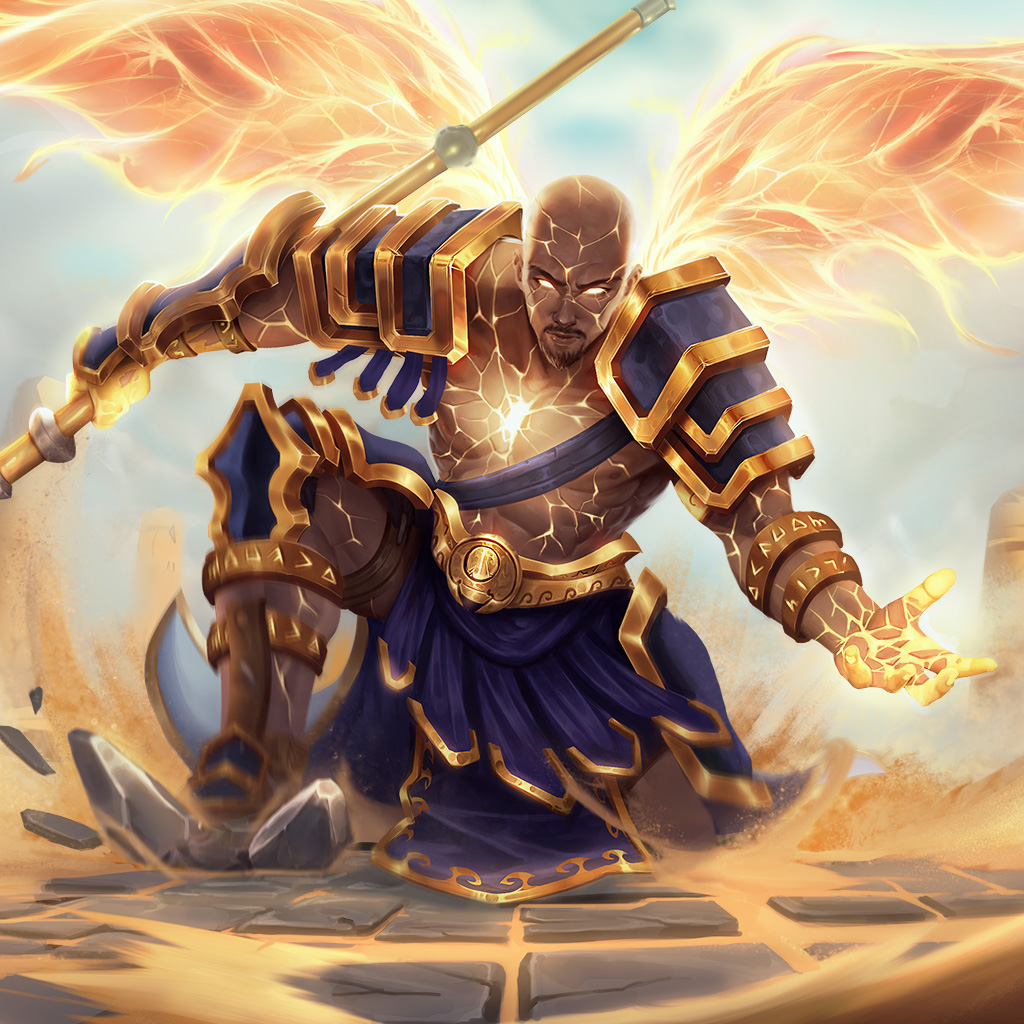
For newcomers, it is best to start with games that have an active community, a strong track record, and transparent development. Titles like “Gods Unchained“, “Axie Infinity“, and “The Sandbox” are good starting points. These games often provide tutorials, support, and forums to ease the onboarding process.
Understanding game mechanics and earning potential
Earning tokens
One of the most enticing aspects of blockchain gaming is the play-to-earn (P2E) model. Unlike traditional games where progress is mostly a personal achievement, blockchain games often reward players with cryptocurrency or valuable in-game items that can be sold or traded.
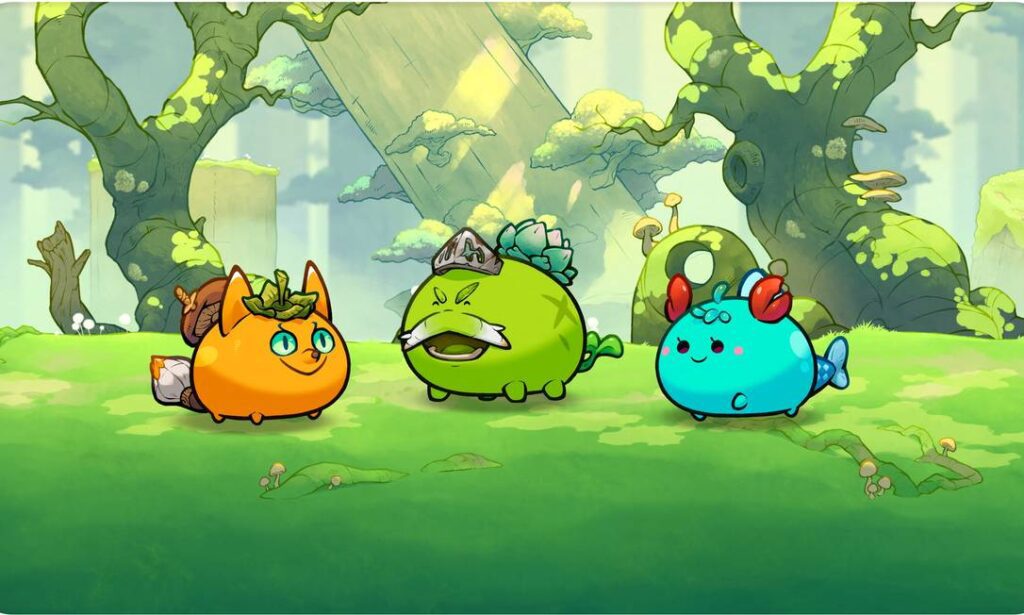
To make the most of these mechanics, players need to understand how the game economy works. For example, in “Axie Infinity,” players battle with digital creatures called Axies to earn Smooth Love Potion (SLP), which can be exchanged for real money. Similarly, in “The Sandbox,” users can buy virtual land and monetize it through activities and experiences built on it.
However, not all blockchain games offer direct financial incentives. Some focus on digital ownership, collaborative gameplay, or creative expression. The key is to understand what the game rewards, how its economy functions, and whether it aligns with the player’s goals.
Avoiding pitfalls and scams
With innovation comes risk. Not every blockchain game is created with the player in mind. Some are launched quickly with little support or transparency, sometimes even vanishing with user funds. To avoid these pitfalls, always research the development team, read the whitepaper, and participate in communities like Reddit or Discord to gather player feedback.
Security is also paramount, of course – so never share wallet keys, always double-check URLs, and avoid suspicious game links above all. Reputable games will never ask for private wallet information or conduct shady giveaways.
Community, creativity, and control
Blockchain games offer more than just gameplay: they open the door to vibrant communities, creative expression, and unprecedented control for players.
One of the most remarkable aspects of blockchain gaming, for example, is the community-driven development. Many blockchain games involve players in decision-making through decentralized autonomous organizations (DAOs). These DAOs allow players to vote on changes, funding, and even game direction.
This level of engagement fosters loyalty and ensures that the game evolves with its community. It also means that players are not just consumers but contributors to the game world. In games like “Decentraland,” players can organize events, concerts, or build virtual real estate projects, making the game feel more like a digital nation than a static play space.
Blockchain games often blur the line between player and creator, too; in “The Sandbox,” for example, users can design games within the platform, build interactive assets, and monetize their creations. This creative freedom, supported by true ownership, is transforming how people think about game development. It allows artists, storytellers, and coders to experiment with new formats and business models, independent of traditional publishers.
The future of gaming is decentralized
As blockchain technology continues to mature, the mechanics of how to play blockchain games will evolve. Interoperability is one of the most promising developments. In the future, players may be able to move characters, items, and currencies between games seamlessly, building persistent identities across multiple worlds.
Another significant trend is the integration of artificial intelligence and machine learning, which can personalize gameplay and create smarter, more adaptive game environments. Combined with decentralized systems, this could lead to unprecedented levels of immersion and customization.
While challenges remain, such as scalability, user onboarding, and regulatory clarity, the potential for blockchain games to revolutionize the industry is real and growing. The line between game and economy, creator and player, is becoming increasingly blurred, unlocking new levels of freedom and engagement.
Now you know the gateway to playing blockchain games – but why not create them yourself?
Understanding how to play blockchain games is more than just learning mechanics – it is about stepping into a new way of thinking about digital interaction. For players like you, it means greater control, real ownership, and the ability to earn and contribute in meaningful ways. For creators like us, it opens up opportunities to build and share worlds without the traditional limitations.
But after all that you may be interested in building your own NFT game – and why not? We’re here to help you out!
At Main Leaf, our team is deeply engaged with these innovations. Our skills in full game development, co-development, and technical art allow us to help partners navigate and succeed in this exciting space. Whether you are a publisher with a big vision or a startup with a fresh idea, our team is ready to bring your blockchain game to life!