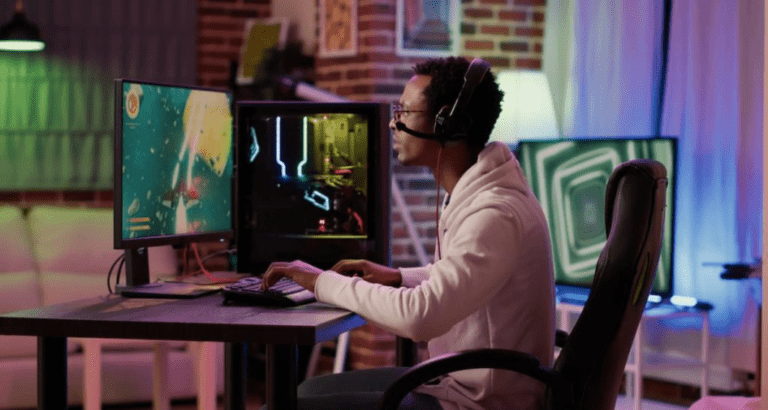
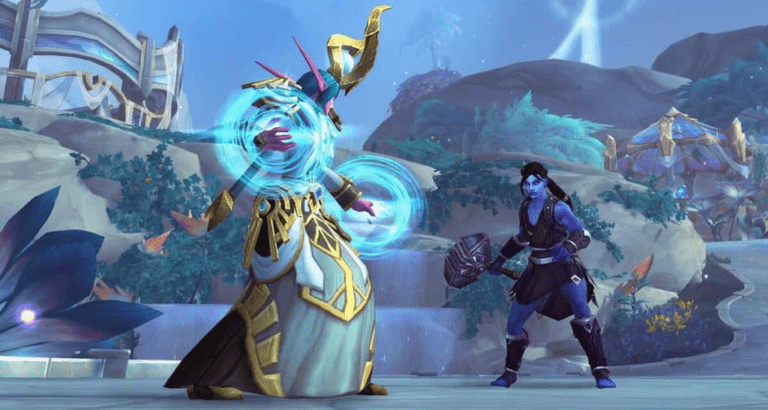
When gamers think about the world of video games, images of stunning graphics, captivating storylines, and intricate game mechanics often come to mind. Yet, at the very heart of this digital universe lies a piece of technology that serves as the true bridge between the player and the virtual world: game controllers.
These devices, often overlooked in favor of flashier components like graphics cards or display resolutions, play an essential role in shaping the gaming experience. Always having been more than mere plastic shells with buttons, they represent the touchpoint between human intent and digital execution. When a player guides a character across a battlefield or makes a split-second decision in a racing game, they do so through the fine-tuned inputs we’ve come to know and love.
Without them, the interactive element of gaming would be incomplete, reducing even the most beautifully designed game into nothing more than a passive movie. So let’s explore a little bit of their rich history!
To read our complete guide on the generations of game consoles, click here instead.
The history of game controllers: from joysticks to modern precision tools
The story of game controllers began in the arcades of the 1970s with simple joysticks and buttons. These early devices were limited but revolutionary, allowing gamers to interact with on-screen elements in ways never before possible.
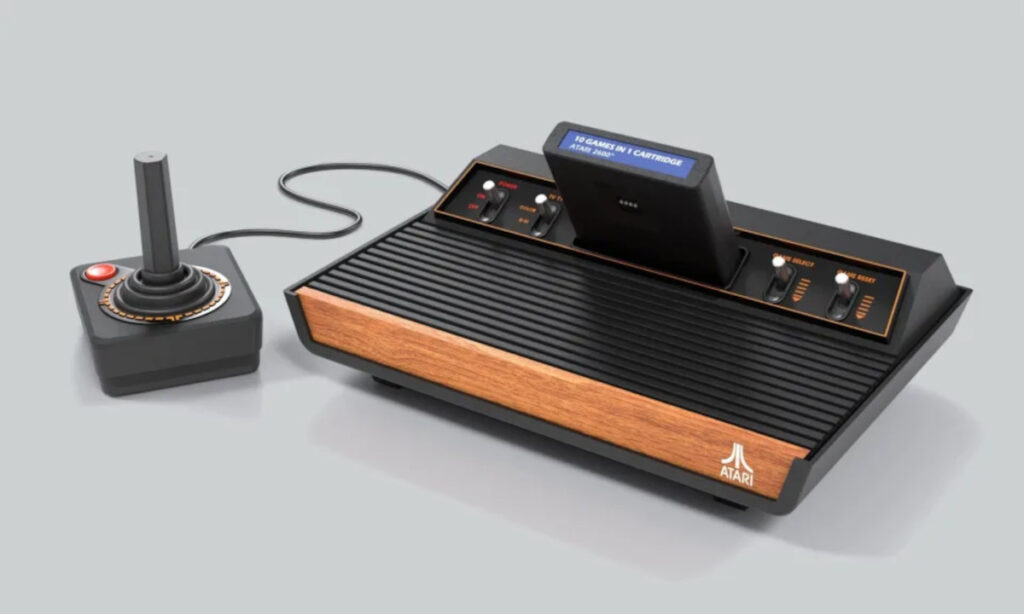
As home consoles entered the market, they evolved rapidly. The original Atari 2600 joystick and single button controller represented simplicity itself – but it opened doors to interactive entertainment on an unprecedented scale.
With the release of the Nintendo Entertainment System in the 1980s, game controllers took a leap forward. The D-pad, start and select buttons, and responsive action buttons became the new standard. This innovation was followed by the rise of shoulder buttons, analog sticks, and vibration feedback in later generations, giving players more control and immersion than ever before.
Modern game controllers: a blend of art and engineering
Today’s game controllers are marvels of design and functionality. From the ergonomic grips to the complex internal sensors, these devices are built to deliver seamless interaction. Modernity has opened the door for features such as adaptive triggers, haptic feedback, and motion detection, all of which contribute to a richer, more tactile gaming experience.
Wireless connectivity has become a baseline feature of controller inputs, liberating players from cables and allowing greater freedom of movement. Battery life has also improved significantly, ensuring that players remain immersed in their favorite games without constant interruptions. Whether using an Xbox controller, a PlayStation DualSense, or a specialized PC game controller, players benefit from years of research and refinement dedicated to perfecting this crucial component.
Besides all that, the current market is no longer limited to standard console or PC models. Specialized devices have emerged to meet the needs of niche gaming audiences; for instance, light sticks offer realism to aviation enthusiasts, steering wheels provide immersive racing experiences, and fight sticks recreate the arcade feel for fighting game fans.
Furthermore, adaptive game controllers have opened the door for players with physical disabilities to enjoy gaming. These customizable devices demonstrate the industry’s commitment to inclusivity, proving that this kind of technology is evolving not only in terms of technology but also in terms of social responsibility.
Choosing the right game controllers: why it matters so much to us
Well, it’s not that hard to guess.
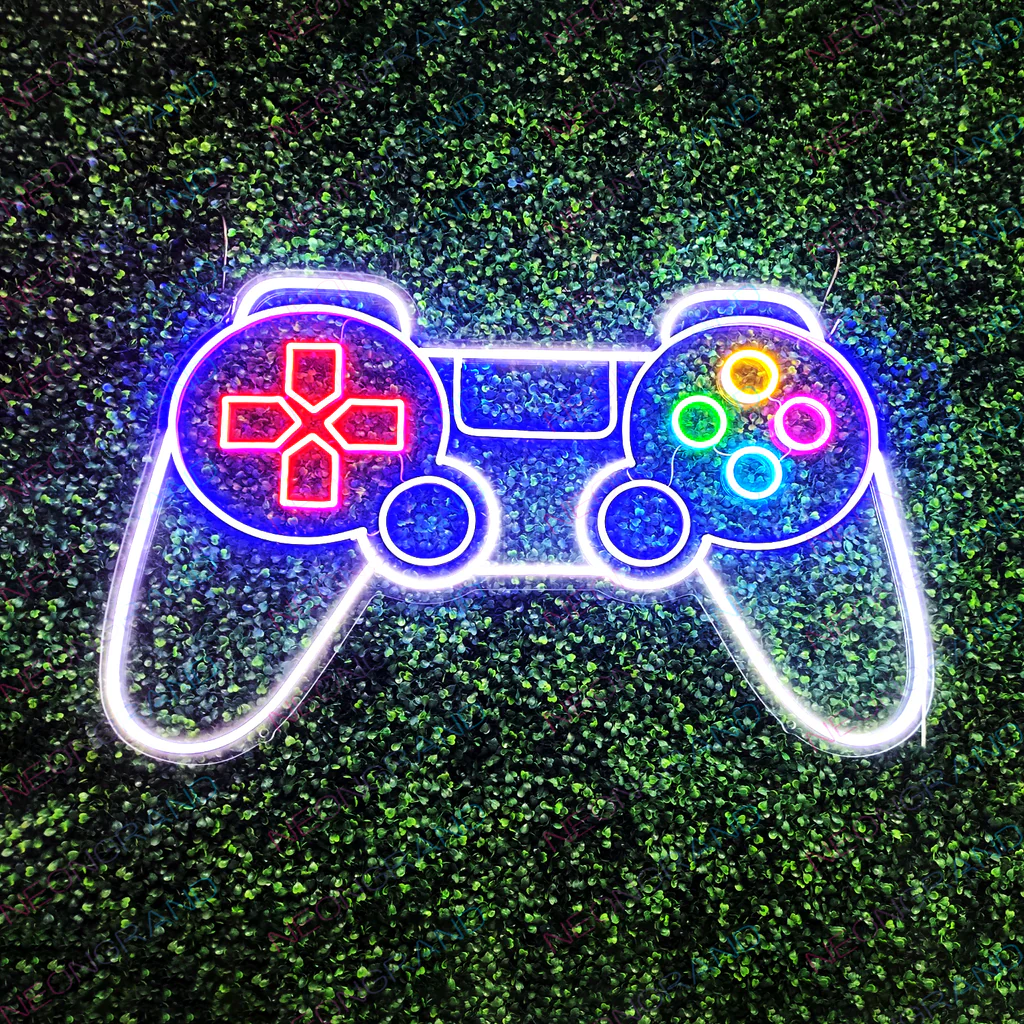
If you’ve ever fumbled through a crucial boss fight or missed a game-winning shot because your controller didn’t respond the way you needed, you already know – your gear matters. The right controller isn’t just a piece of hardware; it’s the bridge between your instincts and the game world. When that bridge is solid, every move feels intuitive. When it’s not, frustration builds fast.
Not all controllers are created equal, and more importantly, not all games play well with the same setup. First-person shooters demand precision and speed, so you’ll want responsive analog sticks and buttons that keep up with your reflexes. On the flip side, strategy or simulation titles reward thoughtful planning, which makes customizable layouts and comfortable ergonomics essential for those long sessions where every command counts.
Compatibility is another piece of the puzzle. Jumping between platforms? Make sure your controller supports everything you play on – whether it’s console, PC, or even mobile. No one wants to shell out for a controller only to find out it won’t sync with half their library.
Then there’s the stuff you don’t always think about until it’s too late: battery life that dies mid-match, laggy wireless connections, or a design that cramps your hands after an hour. These are small details—until they start costing you wins or draining your enthusiasm.
In the end, the goal is simple: you want something that disappears in your hands so the game can come alive in front of you. Take the time to find the right fit. Your future self, deep into a marathon session and still feeling great, will thank you.
Some iconic game controllers throughout history
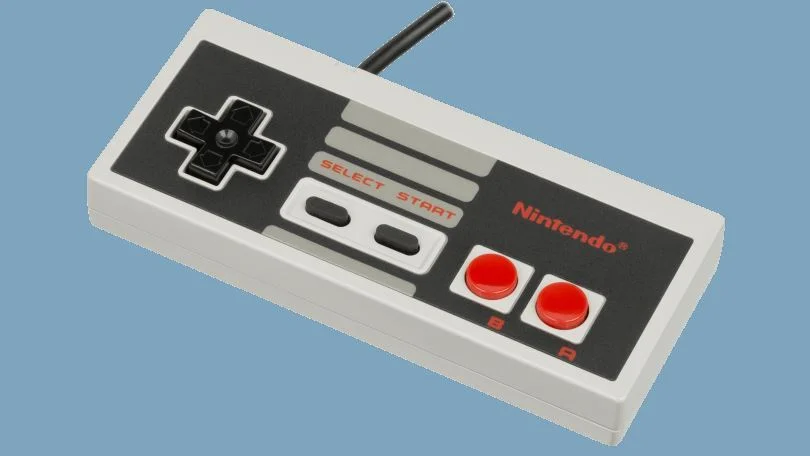
Throughout gaming history, certain game controllers have achieved legendary status among players. The Nintendo Entertainment System controller, with its revolutionary D-pad design, set the benchmark for all future home console controllers.
Then the Sony PlayStation DualShock series came along, introducing dual analog sticks (after the feature was introduced by the Nintendo 64) and vibration feedback, transforming how players experienced full 3D worlds. Microsoft’s Xbox 360 controller became a favorite among both console and PC gamers, thanks to its ergonomic design and responsive triggers.
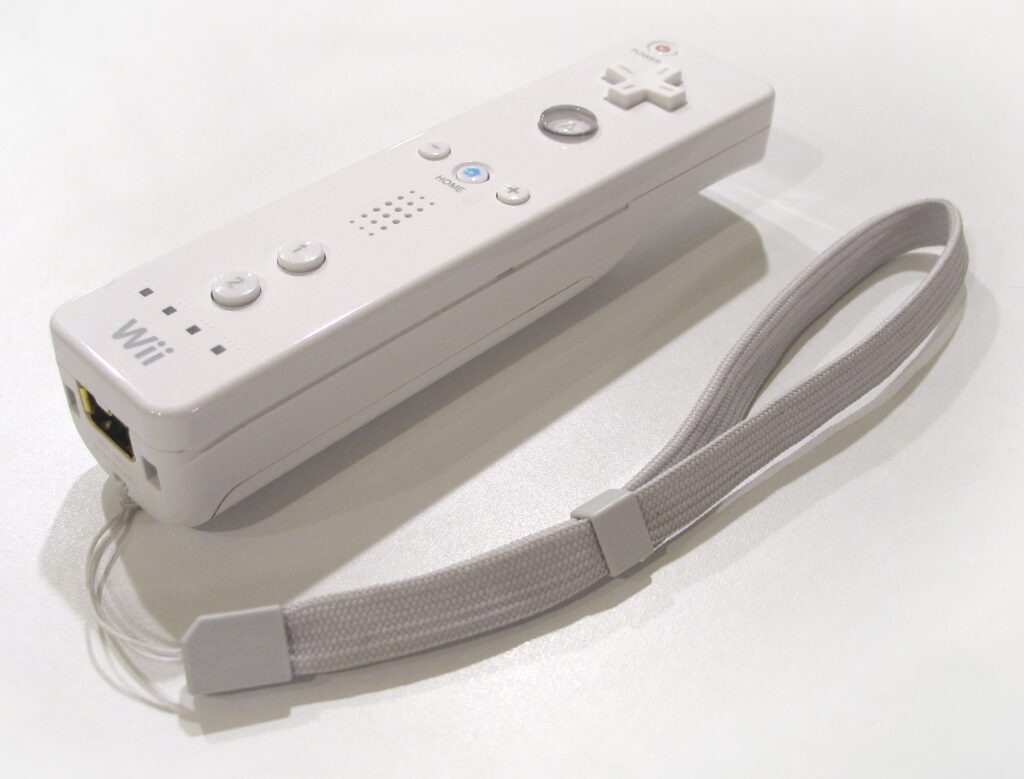
Another iconic device, the Nintendo Wii Remote, broke conventional barriers by introducing motion controls to the mainstream market, forever altering the way casual and family-oriented games were played.
More recently, the PlayStation DualSense controller has impressed gamers worldwide with its advanced haptic feedback and adaptive triggers, raising the bar for immersion in gaming. These controllers are not only pieces of hardware but cultural touchstones that represent significant milestones in gaming evolution.

We recognize the importance of game controllers – and know which type is best for your dream game
As gaming technology continues to break new ground, the humble game controller remains an indispensable component of the gaming ecosystem. Its ability to connect human intent with digital reality ensures that controller devices will remain at the forefront of the industry for years to come.
At Main Leaf, we are committed to understanding and enhancing the ways in which game controllers impact gameplay. Whether we are developing original titles or co-creating with our partners, our team prioritizes seamless and satisfying controller integration in every project!
So don’t hesitate: if you are looking to develop a game that maximizes the potential of modern game controllers, reach out to us and discover how our expertise can help bring your vision to life. We’ll be waiting for you to create incredible experiences together.