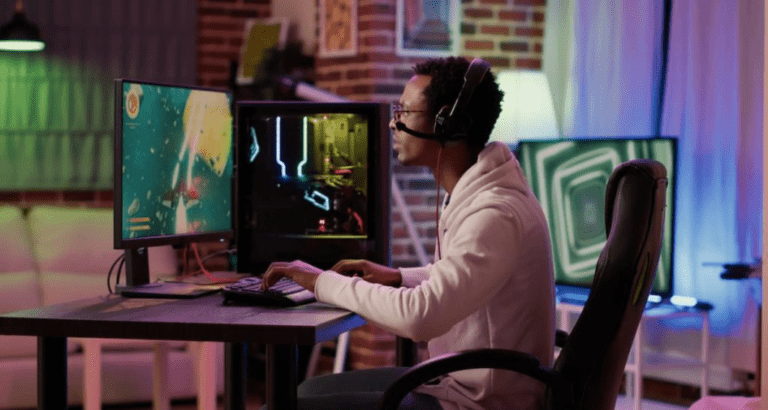
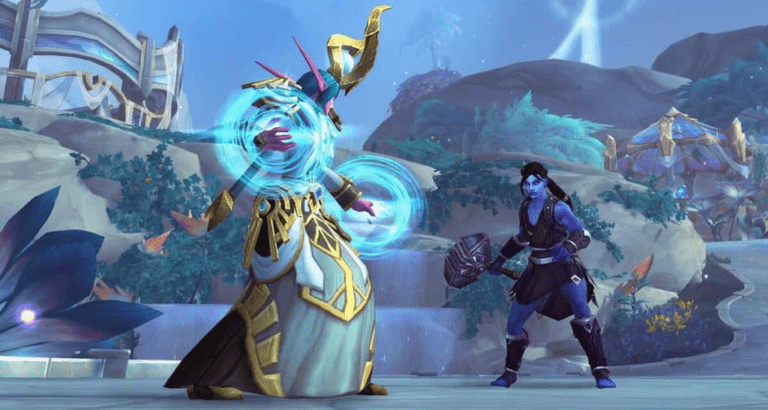
Behind every footstep, every roar of an enemy, and every ambient wind in a game, there is a professional meticulously designing how it should sound. A game audio designer is responsible for creating and implementing the auditory elements that bring a game to life. This includes sound effects, voiceovers, ambient sounds, and sometimes even music. Their work spans creative and technical domains, demanding both artistic sensitivity and a solid grasp of audio software and middleware.
More than ever, the experience of a game is shaped by what is heard as much as by what is seen. In this realm, the contributions of a game audio designer become not only valuable but transformative. This article dives into the scope of their work, the techniques they use, and the vital role they play in creating unforgettable interactive experiences.
The impact of sound on gameplay and immersion
The game audio designer is a key architect of the sensory experience in any game. Their work is often invisible but always felt, shaping the emotional tone and guiding the player journey in subtle, yet powerful ways.
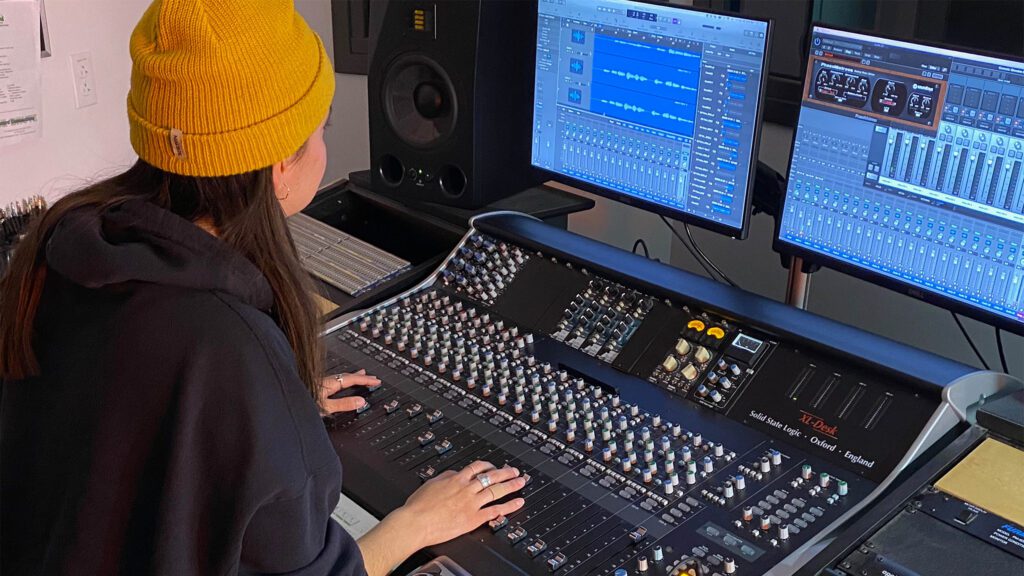
It’s well known that sound can shape a player’s emotional response in profound ways; the thrill of a chase, the tension before a battle, or the serenity of a peaceful environment can all be accentuated by the right audio cues. A well-executed soundscape can guide players through levels, provide critical feedback on their actions, and enrich the narrative world without the need for explicit visual cues.
Here, the game audio designer ensures that each sound is not only contextually appropriate but also functional. For example, in a stealth game, footsteps might need to vary depending on the surface to inform the player about noise levels. In action titles, explosive sound effects can intensify the excitement and reinforce the impact of player actions. These decisions are never arbitrary; they are deliberate choices that enhance the overall experience.
Tools and techniques used by a game audio designer
To achieve such precision, game audio designers rely on a suite of specialized tools. Digital Audio Workstations (DAWs) like Pro Tools, Logic Pro, or Reaper allow them to edit and manipulate sound assets. Middleware solutions such as FMOD and Wwise are essential for integrating these assets into the game engine, enabling dynamic audio responses based on gameplay variables.
Field recording is another significant technique. Many audio designers step outside the studio to capture authentic sounds, which are then processed and layered to create unique effects. This commitment to realism is what often separates a good audio experience from a great one. Furthermore, they must constantly iterate and test their work in the game environment, ensuring that each sound behaves as intended in real-time scenarios.
Challenges faced by a game audio designer
Despite its importance, audio is often one of the last elements considered in game development. This late-stage involvement can lead to compressed timelines and limited resources, challenging audio designers to deliver high-quality results under pressure. Additionally, the need to optimize sound for different platforms, from high-end PCs to mobile devices, adds another layer of complexity.
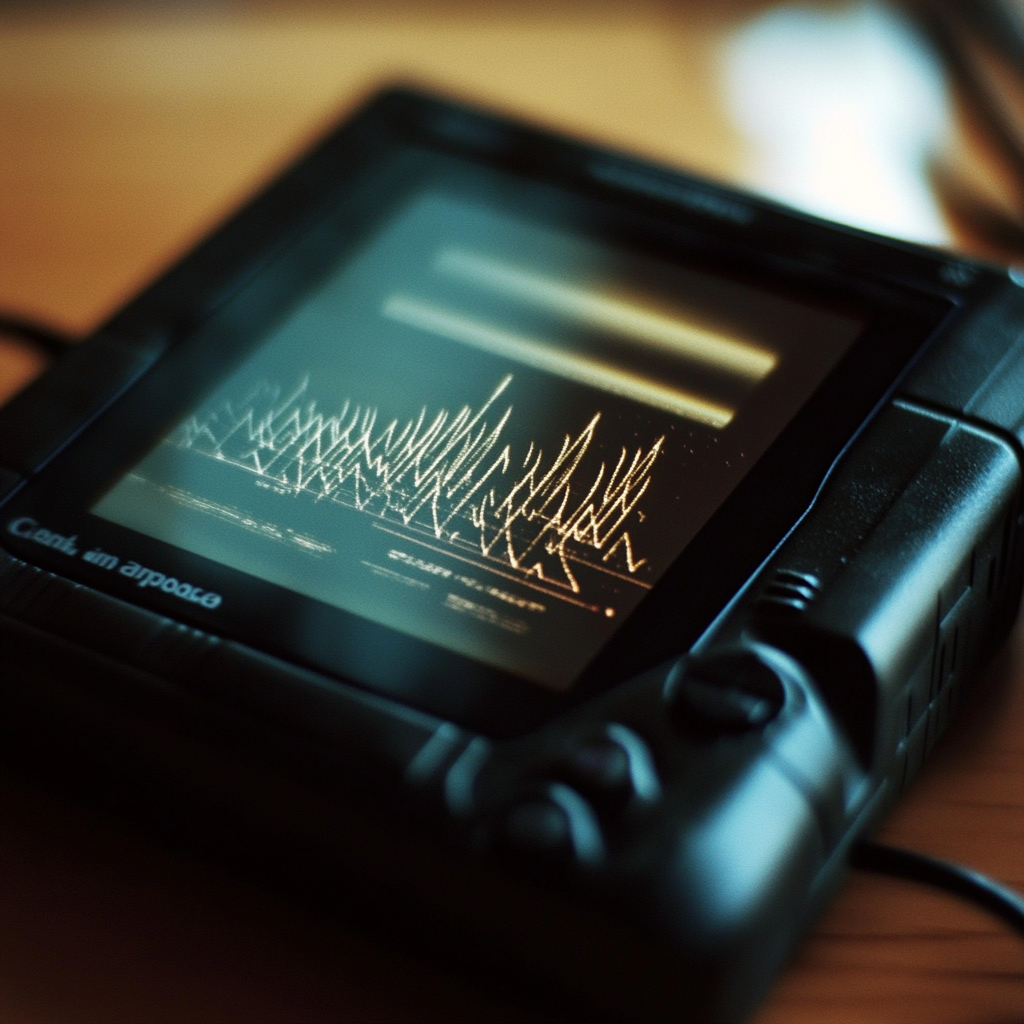
Balancing creativity with technical limitations is a constant challenge, too: after all, file size restrictions, memory budgets, and performance constraints can all impact the scope and fidelity of the audio. It requires a keen sense of prioritization and problem-solving to maintain quality within these limits.
Why hiring a game audio designer is a game-changer
For any developer or publisher, investing in a skilled game audio designer can significantly elevate a project. Their contributions go beyond merely adding sound; they shape how players perceive and interact with the game world. High-quality audio design can improve user retention, enhance emotional engagement, and create a more polished final product.
Studios that prioritize audio from the outset often find it easier to create cohesive and compelling experiences. It allows for better narrative integration, more dynamic gameplay feedback, and ultimately, a product that stands out in a crowded market. As players become more discerning and technology continues to evolve, the expectations for audio quality will only increase.
Besides that, collaboration is a cornerstone of the role – game audio designers work closely with programmers, artists, and narrative designers to ensure that the sound complements the gameplay and visuals. They are involved from the early stages of development, understanding the game mechanics and narrative arcs, to preemptively design a fitting auditory experience.
Exploring career opportunities as a game audio designer
Fortunately, the demand for audio professionals in the gaming industry is growing. Aspiring designers need a strong foundation in sound design principles, proficiency with audio tools, and an understanding of interactive media. Education and experience in music, film, or traditional audio engineering can be advantageous, but a passion for games and storytelling is essential.
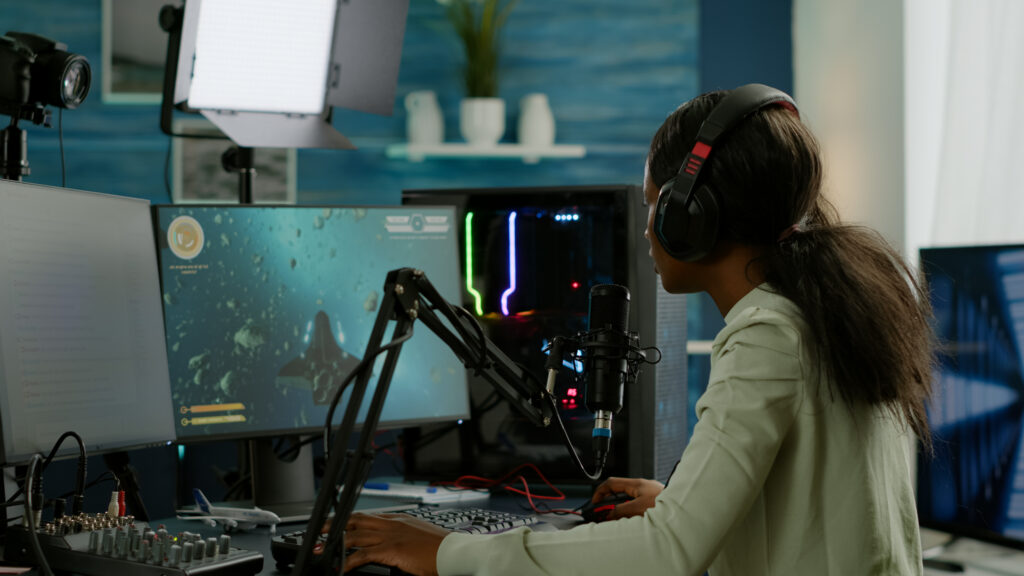
Such a professional path demands a blend of artistic talent, technical skill, and a deep understanding of interactive environments. You can begin with formal education in audio production, sound design, or music composition, for example; however, what often matters more is practical experience and a strong portfolio. Aspiring designers should explore audio tools, learn middleware integration, and practice designing sounds for different game genres.
Like anything in the industry, hands-on experience is crucial if you desire to become an audio designer. Game jams and indie collaborations offer invaluable opportunities to work under constraints and collaborate with others. This not only sharpens skills but also builds industry connections. Staying updated with emerging tools, attending conferences, and learning from veteran designers like us can further enhance your prospects – so keep that in mind.
And speaking of veteran designers…
How our team integrates audio design into the development process

At Main Leaf, we understand that audio is not an afterthought, but a foundational element of game development. Our team integrates audio design early in the production pipeline, ensuring that every element from dialogue to ambient effects is thoughtfully crafted. By working collaboratively across disciplines, we ensure that our games offer a rich, immersive soundscape that enhances gameplay and storytelling.
Our audio designers are involved from concept to completion, participating in narrative discussions, gameplay testing, and post-launch updates. We invest in cutting-edge tools and provide ongoing training to our team, allowing them to push creative boundaries while meeting the technical demands of each project. This dedication to excellence helps us deliver memorable audio experiences that resonate with players.
Whether enhancing an indie title or scaling up a AAA project, our team is committed to delivering audio solutions that elevate gameplay to new heights. If you are looking to bring your game to life with immersive sound, Main Leaf is ready to help you craft the auditory magic your players deserve. Get in contact with us right now!