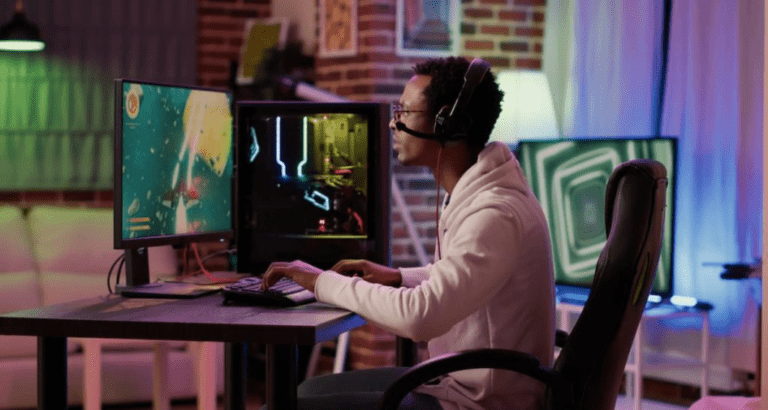
The role of a game and audio design engineer is at the heart of immersive digital experiences, shaping how players hear and feel every action. When someone steps into a game world and hears footsteps creeping, music building tension, or the roar of an explosion, they’re witnessing the meticulous work of a game and audio design engineer.
These professionals blend technical rigor with creative passion to ensure sound isn’t just an accessory, but a dynamic tool that enhances gameplay, guides the narrative, and influences player emotions. In an industry where every detail counts, the art and science behind audio elevate games from good to unforgettable.
This article focus on understanding what exactly a game and audio design engineer does, what are their skills and what part do they play in the modern landscape of game development.
You may also like: Video game sound design – 6 important techniques
What does a game and audio design engineer do?
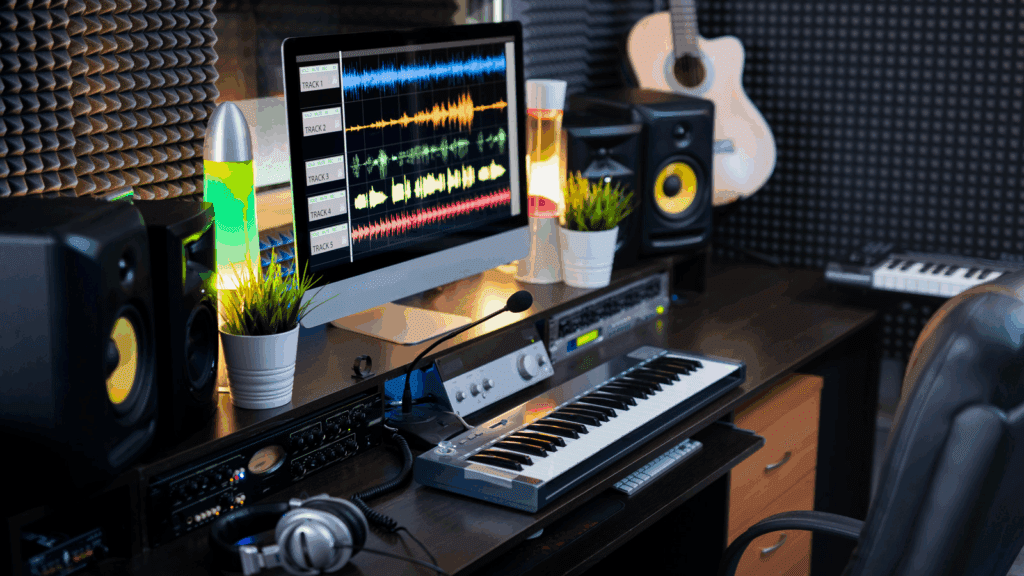
A game and audio design engineer wears multiple hats within a development team.
On the design side, they conceptualize how audio interacts with gameplay elements. This means defining when sound events occur, what triggers them, and how they adapt in real time.
On the engineering side, they implement sophisticated audio systems using middleware tools like FMOD or Wwise, often integrated into engines like Unity or Unreal. Their work touches the following three key areas.
Adaptive Soundscapes
Rather than static soundtracks, these engineers build dynamic audio systems that respond to player actions. For example, combat music might escalate when health drops, or environmental ambience shifts based on proximity to a trigger zone.
This requires careful planning of audio layers, crossfading techniques, and performance considerations to ensure responsiveness. Engineers may collaborate with composers to layer different intensities of a score and build intelligent logic that transitions between them seamlessly.
This not only heightens immersion but also reinforces player decisions and pacing, contributing to a more engaging experience.
Audio Optimization and Performance
Game audio engineers ensure that audio assets are compressed correctly and streamed efficiently. They manage memory budgets to avoid overloading the device, and they optimize file formats and loading strategies so sound playback is smooth, even during intense gameplay sequences.
In high-performance games, every millisecond counts. Engineers must strike a balance between high fidelity and resource limitations, especially on mobile or VR platforms. They might implement distance-based attenuation, dynamic ducking, or use occlusion algorithms to mimic real-world sound behavior while keeping the system performant.
Collaboration Across Disciplines
Close collaboration with game designers, programmers, artists, and composers is critical. The game and audio design engineer ensures that sound complements visual effects and gameplay loops. For example, integrating footsteps that vary by material type requires coordination with the animation team and level designers.
The success of audio integration often depends on early involvement in the development cycle. By participating in level design meetings or scripting discussions, audio engineers can ensure that sound is considered from the start, not added as an afterthought.
Technical skills and tools required in the field
Middleware Expertise
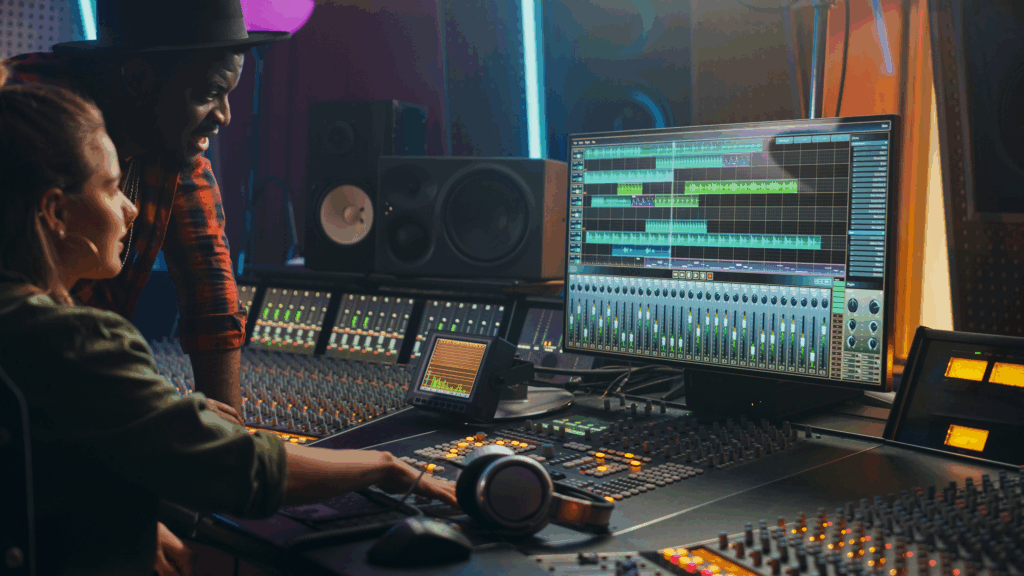
Tools like Wwise and FMOD are industry standards, and an engineer must know how to build audio event hierarchies and design RTPC (real-time parameter control) systems, as well as create interactive mixers that adapt globally or per-scene.
Middleware allows for faster iteration and greater experimentation, reducing dependency on code for every change. Engineers skilled in these platforms can work more autonomously, building complex audio behaviors without waiting for a build or compile cycle.
Game Engine Integration
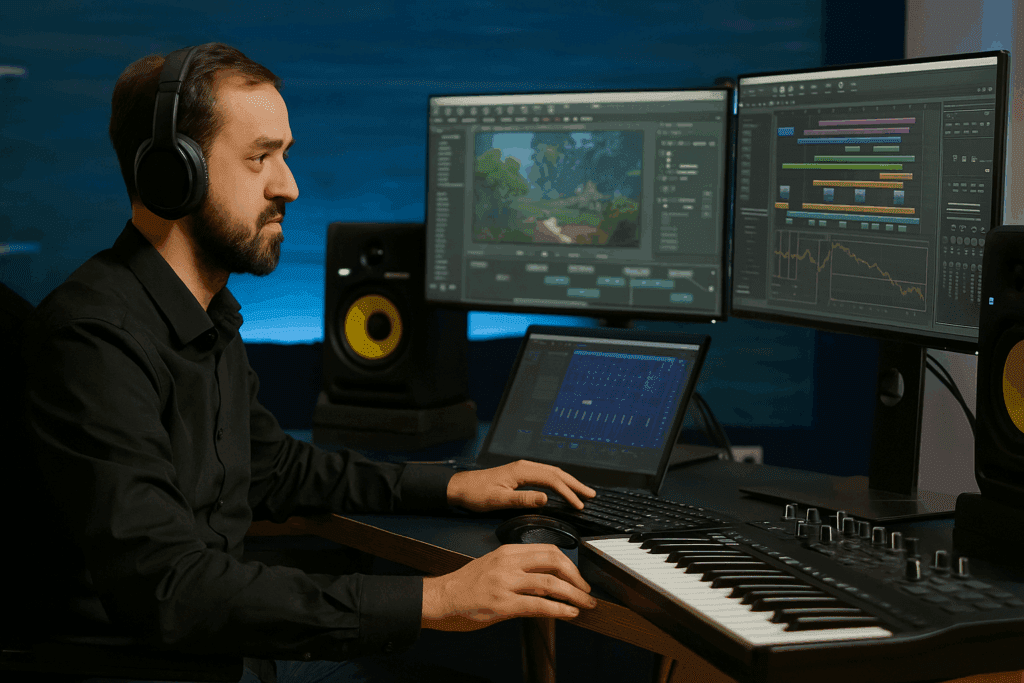
Whether in Unity or Unreal, engineers directly script or blueprint audio behaviors, triggering events, managing listener spatialization, and fine-tuning mix buses.
Effective integration also involves creating audio debugging tools, such as visualizers or loggers, that help identify issues early in development. This reduces production delays and ensures that final mixes are well-balanced.
Sound Asset Management
Engineers collaborate with sound designers and Foley artists to handle libraries of effects and music. They ensure correct naming conventions, metadata tagging, and efficient organization, so scenes can reference assets without duplication or misplacement.
Managing audio assets is not just about cleanliness, it affects performance and consistency. Well-structured folders and naming schemes prevent bugs and support scalability, especially in large open-world games.
Programming and Scripting
Scripting languages such as C# (for Unity) or C++ (for Unreal) enable engineers to build custom audio tools, manage audio states, or create procedural audio systems. For example, an engineer might script a weapon recoil system that adjusts pitch and reverb based on firing intensity.
Beyond that, scripting can be used for real-time synthesis or generative sound, where audio content is created on the fly, leading to unique gameplay moments and increased replay value.
Why this role matters in modern game development
Because the game and audio design engineer is the unsung hero of player immersion! Without their work, even the most visually stunning experiences can feel flat. Audio is what breathes life into scenes, conveys emotion, and supports gameplay feedback loops.
Audio cues guide players: a distant creak might signal danger, a reload click indicates readiness, and a musical swell can punctuate narrative moments. This feedback loop helps players feel in control and emotionally invested.
For competitive games, audio can also be a strategic tool, allowing players to detect threats, track objectives, or recognize power-ups. Engineers ensure that audio cues are balanced, clear, and informative without becoming overwhelming or distracting.
Well-implemented audio design aids players with visual impairments or dyslexia by providing non-visual feedback. Engineers implement spatial audio systems or dynamic attenuation to ensure clarity for all users.
Features like audio subtitles, volume ducking, and descriptive narration can make games more inclusive. Engineers who understand accessibility guidelines contribute to a more equitable and enjoyable experience for all players.
Iconic audio signatures, like weapon sounds, character catchphrases, or ambient themes, become part of a game’s identity. The engineer ensures these sounds are consistent and recognizable across levels, trailers, and marketing.
A memorable sound can evoke nostalgia and brand loyalty, making players return to a certain franchise already knowing what to expect from its vibes. Great engineers might work with marketing teams to ensure sonic branding aligns with promotional content, extending the audio experience beyond gameplay!

Conclusion
A game and audio design engineer is more than a technician, they are storytellers using sound as their tool. Their work shapes ambiance, guides player choices, and gives emotional weight to interactive worlds. As games grow more complex, responsive audio becomes essential.
We here at Main Leaf always give special attention to our sound design department, precisely because we know how important it is. If you’re building an immersive experience and want audio that feels alive and responsive, we would be glad to help you.
Our team of seasoned game and audio design engineers blends technical skill with creative storytelling to elevate games in impactful, surprising ways. So contact us today and discover how we can bring your next game’s audio to life!